

Ground Squirrel Control in Carpinteria, CA
Carpinteria, CALIFORNIA
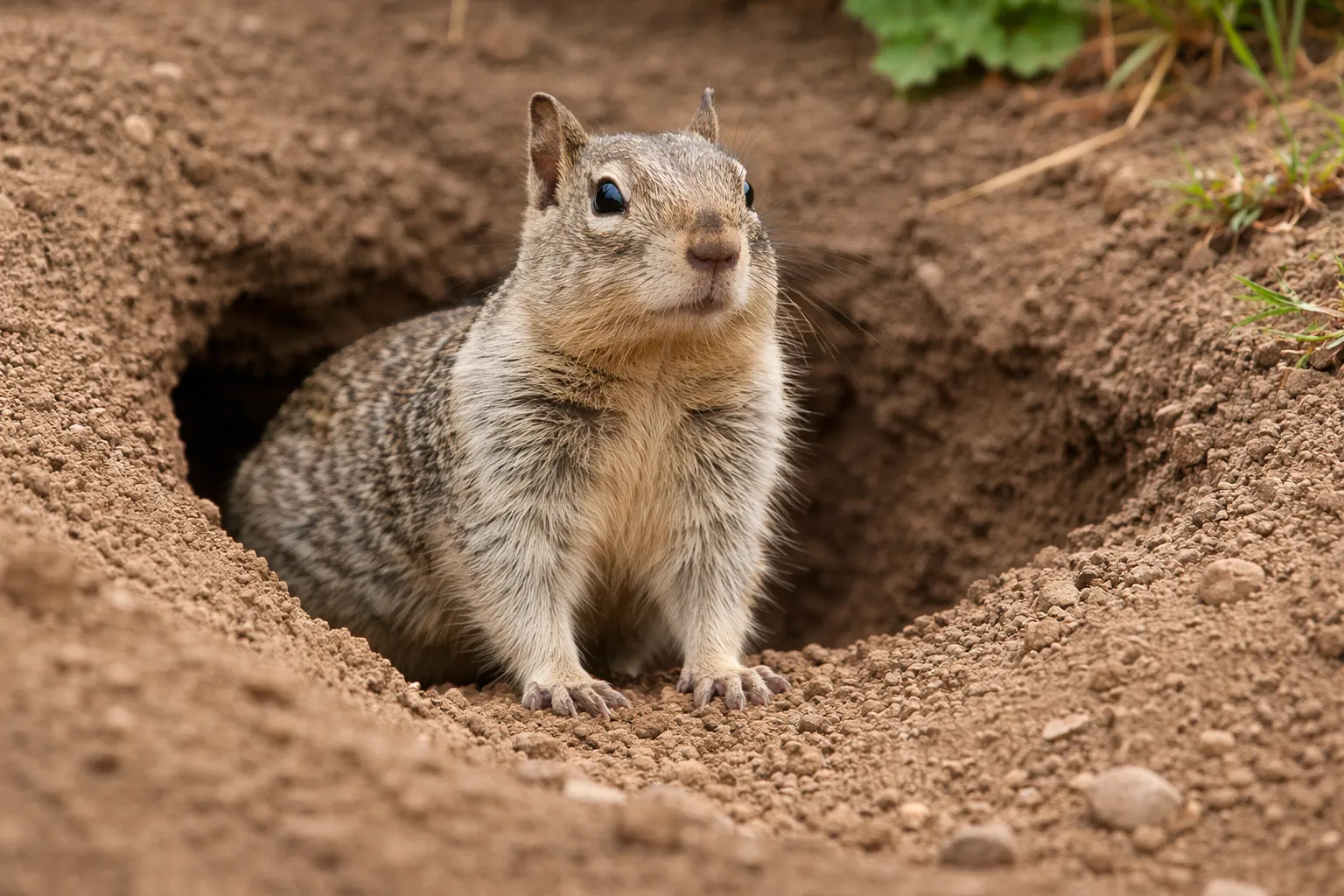
Carpinteria properties face California ground squirrel colony pressure driven by Carpinteria Valley agricultural land, Carpinteria State Beach, Rincon area. Ground squirrels are diurnal, highly mobile, and colony-living — unlike solitary gophers they travel freely between properties and quickly establish visible burrow systems that undermine hardscapes and landscaping.
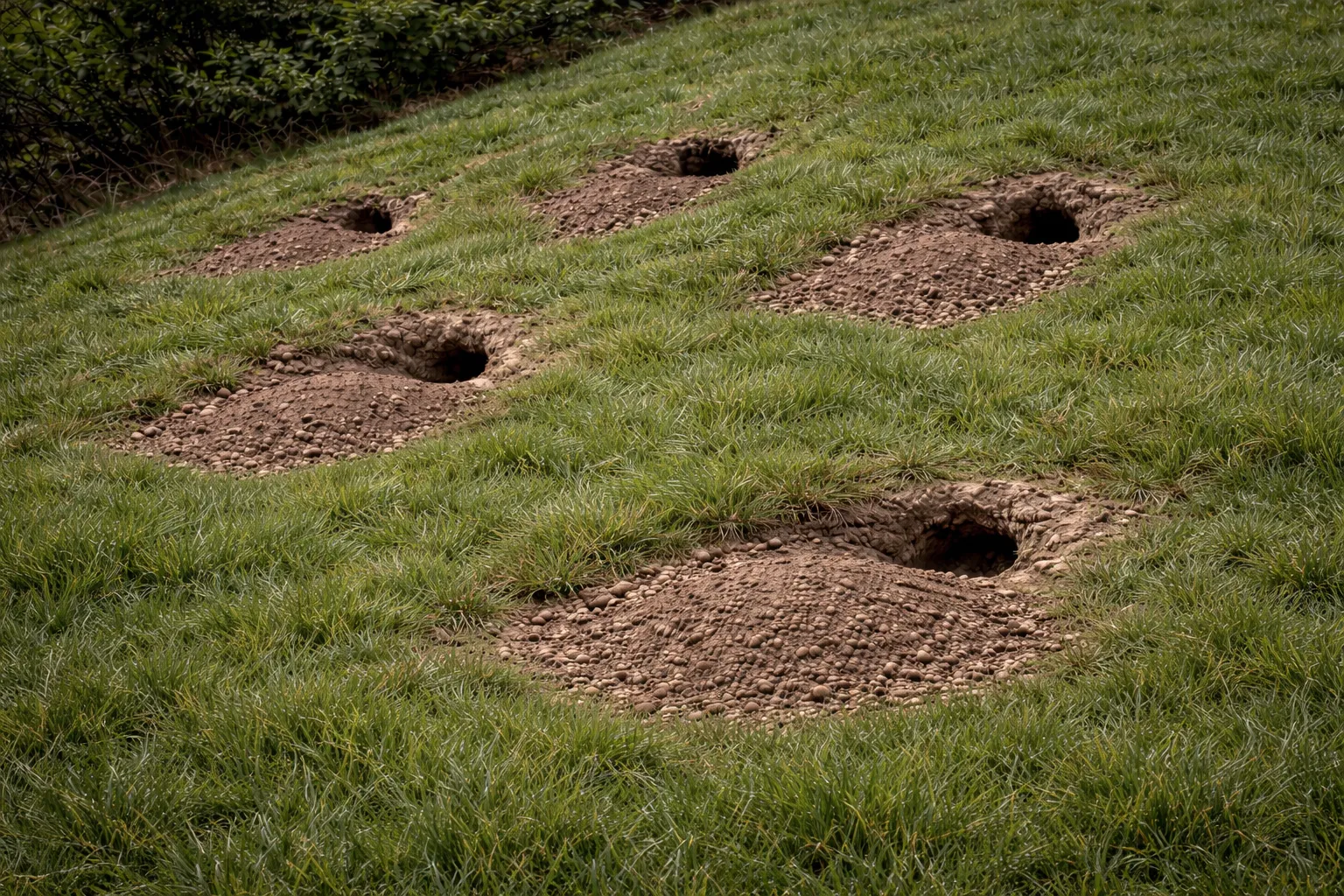
Ground squirrels forage openly during daylight and establish multi-entrance burrow networks that extend through residential and commercial properties. Colony populations can reach 20-50+ animals when unmanaged, and burrow activity compounds damage quickly across lawns, slopes, and foundation margins.
Common Ground Squirrel Problems in Carpinteria
- Multiple burrow openings across lawn and slope areas
- Soil erosion destabilizing retaining walls and hardscapes
- Damage to patios, walkways, and irrigation infrastructure
- Trip hazards from burrow entrances in high-traffic areas
- Damage to slope landscaping common in Carpinteria hillside and equestrian properties
Ground Squirrel Hotspots in Carpinteria
Carpinteria ground squirrel colonies concentrate in Downtown Carpinteria, Foothill Road area, Sand Point, and Concha Loma. The key regional features driving colony establishment are Carpinteria Valley agricultural land, Carpinteria State Beach, Rincon area — all of which provide the open terrain, varied vegetation, and escape-cover ground squirrels prefer. Properties immediately adjacent to these features face continuous colony pressure because squirrel populations in those habitats cannot be controlled at source.
Neighborhoods We Serve in Carpinteria
Rodent Guys provides ground squirrel control throughout every Carpinteria neighborhood — Downtown Carpinteria, Foothill Road area, Sand Point, and Concha Loma. Colony concentration varies based on proximity to open space, equestrian acreage, agricultural operations, and irrigated common-area turf.
Why Carpinteria Has Persistent Ground Squirrel Pressure
Carpinteria combines three factors that sustain ground squirrel colony pressure. First, Carpinteria Valley agricultural land provides extensive open-terrain habitat that ground squirrels use as a permanent reservoir — reinvasion is continuous and cannot be controlled at source. Second, mild climate supports year-round colony activity rather than the seasonal shutdown seen in colder inland regions. Third, Carpinteria's mix of irrigated residential landscaping and equestrian or agricultural acreage where present provides the food supply and varied substrate colonies need to expand. Properties closest to source habitat typically benefit most from ongoing maintenance service rather than one-time treatment.
Carpinteria Ground Squirrel Control Pricing
Flat pricing — no square-footage surcharges. Initial service: $400 (includes 3 trap checks; additional trap checks $75 each) (full property inspection, active-burrow identification, trap and carbon monoxide setup, first treatment cycle). Monthly maintenance: $75/month for properties bordering wildland or agricultural acreage. Quarterly maintenance: $200/quarter for moderate-pressure properties with buffer from source habitat.
Ground squirrel service does not include a long-term guarantee due to colony mobility, but initial treatment reliably reduces active presence on the property.
Carpinteria Ground Squirrel Control FAQs
How much does ground squirrel control cost in Carpinteria?
Flat $400 initial service for Carpinteria properties (full property inspection, trap/CO setup across active burrows, first treatment cycle), $75/month for maintenance, or $200/quarter. Ground squirrel service does not include a long-term guarantee due to their mobility, but initial treatment reliably reduces active colony presence.
Why are ground squirrels harder to clear than gophers in Carpinteria?
Ground squirrels live in colonies of 10-50+ animals, travel freely between adjacent properties, and readily repopulate cleared areas from nearby source habitat. Gophers are solitary. Carpinteria properties adjacent to open space, wildland, or agricultural acreage typically need ongoing maintenance visits rather than one-time treatment.
Do you use poison for ground squirrels in Carpinteria?
No. Rodent Guys uses trapping and carbon monoxide treatment only — no rodenticide. Poison bait creates unacceptable risks to pets, children, and the hawks and raptors that naturally suppress squirrel populations throughout Santa Barbara County.
Which Carpinteria properties see the heaviest ground squirrel pressure?
Properties adjacent to open space, ecological preserves, active agricultural land, and equestrian acreage consistently report the heaviest colony pressure. Ground squirrel colonies move between properties, so neighborhood-level factors matter as much as individual property conditions.
What damage do ground squirrels cause in Carpinteria?
Ground squirrels undermine patios and hardscapes, damage landscaping and irrigation, and create burrow openings that are real tripping hazards. Colonies expand rapidly — a 2-3 animal colony can become a 10+ animal colony within a single breeding season. Early professional intervention in Carpinteria prevents the damage from compounding.
Nearby Santa Barbara County Ground Squirrel Control
Ground squirrel activity extends across Santa Barbara County. Related service pages for nearby cities: Ground Squirrel Control Santa Barbara · Ground Squirrel Control Goleta
Service Area Links
Learn more about ground squirrel controlService Areas
Santa Barbara County page
Other Pest Control Services in Carpinteria
Rodent Guys also provides these specialized services in Carpinteria:
Call 909-599-4711 to schedule ground squirrel control in Carpinteria.
Frequently Asked Questions
Common signs of ground squirrels in Carpinteria include multiple burrow openings across your property, squirrels visible during daylight hours, and damage to gardens and landscaping.
Yes. Rodent Guys uses non-chemical trapping and carbon monoxide methods that are safe for children and pets.
Ground squirrels are highly mobile and travel freely between properties in Carpinteria. New squirrels can migrate onto your property even after successful treatment of existing colonies.